Important Questions:
The problem?
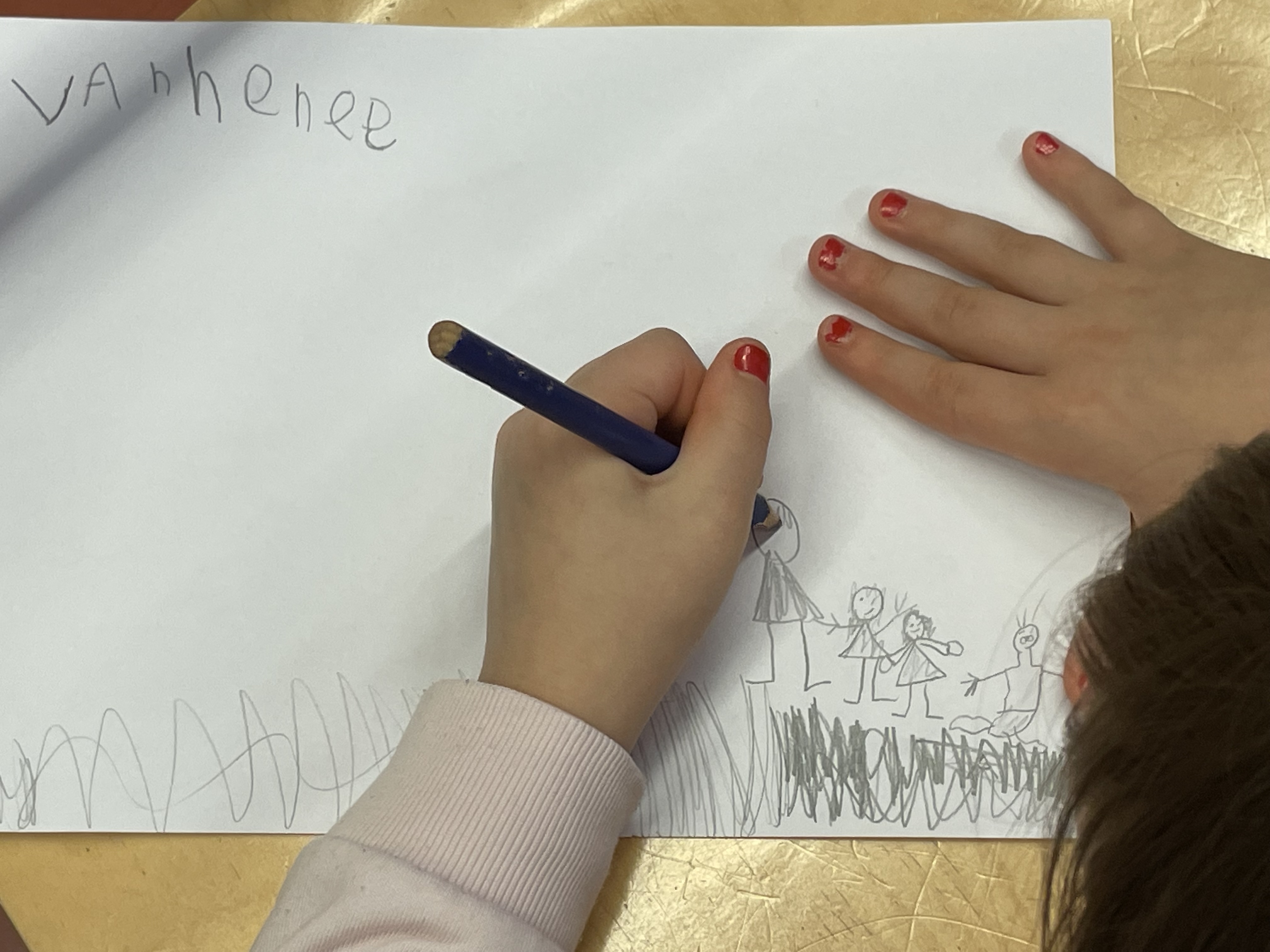
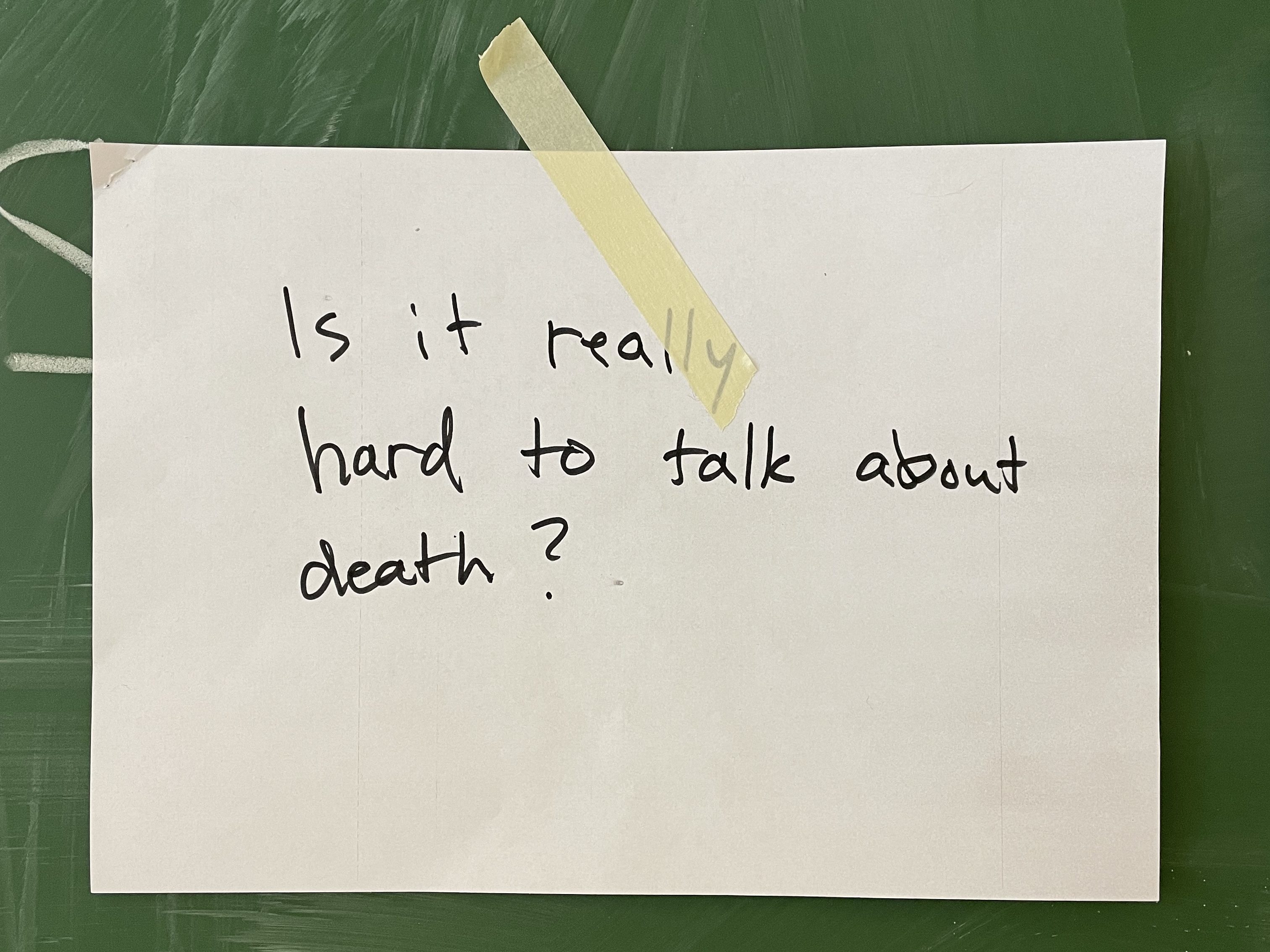
Adults, including parents, teachers and teacher educators, find it often uncomfortable to discuss death with children. Responding to children’s curiosity and experiences of human and more-than-human death and dying is often left to schools with little guidance for adults.
Research question?
The project’s key question is: ‘When and how to engage children with matters such as death and dying?’
Objectives of the research?
The project reimagines death and produces new scientific knowledge and educational materials about when and how to engage with children about multispecies death and dying.
Why ‘Small Matters’?
‘Small matters’: young children, viruses, insects, microbes, plastics, the digital – (non)human bodies are usually excluded from conversations about death in teaching and education research. Such enquiries change how we think about ‘the human’ through the concept ‘smallness’.
Why study multispecies death?
Death happens to every earth dweller – human and more-than-human. Whilst the dying of others (human and more-than-human) we can experience, no one knows what happens when earth dwellers die. The existential questions death provokes defy straightforward answers. Also, the responses, beliefs and rituals around death and dying vary around the globe.
Why study death with children?
Growing up into an adult is not necessarily an advantage when thinking together about death because the meanings we bring to concepts solidify as we get older, and children’s animistic philosophising ‘develops’ into fixed science concepts. Animism tends to be (mis)understood as magical and pre-rational, a form of thinking to be abandoned in the maturing process. This project investigates what adults can learn from, and with children, about multispecies death and dying.